
Milkweed Monarchy: A passion for pollinators
Milkweed Monarchy: A passion for pollinators
Lycoming County | Pine Creek Valley & the PA Grand Canyon of the Pennsylvania Wilds
By LaKeshia Knarr
Jeff and Amy Rankinen at Milkweed Monarchy are passionate about pollinators.
After their son did a beekeeping project in high school, the couple was motivated to continue learning more about insects that contribute to the human food supply through pollination and the problems they face.
The couple was particularly interested in the plight of monarch butterflies.
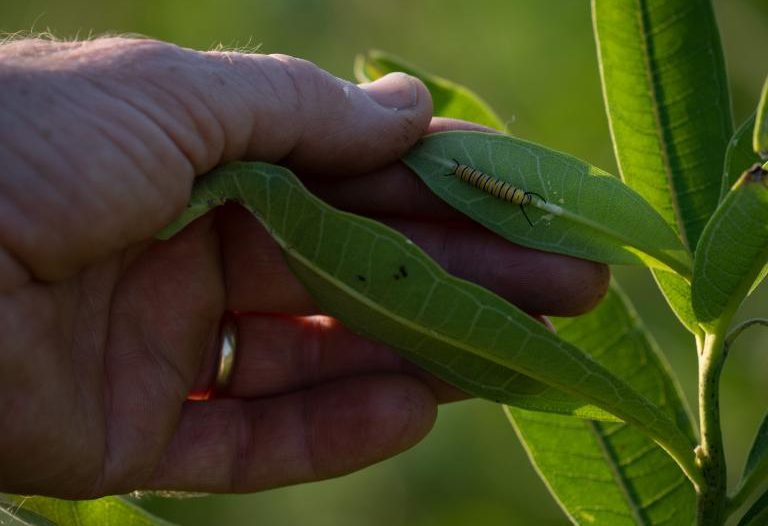
“The monarch butterfly feeds on many flowering plants and trees, but requires the milkweed plant to lay eggs and feed the hatched caterpillars. After the eggs hatch in about 5 days, tiny caterpillars emerge and start feeding on the milkweed leaves,” Jeff explained.
The monarch caterpillars require the milkweed to complete their lift cycles, he emphasized.
“After about 10 days of feeding the caterpillar forms a chrysalis, and another 10 days later a caterpillar emerges and begins a new cycle. In late summer, the last generation of butterflies does not breed, but begins the migration south to as far as Mexico – a 3,000 mile journey,” he said.
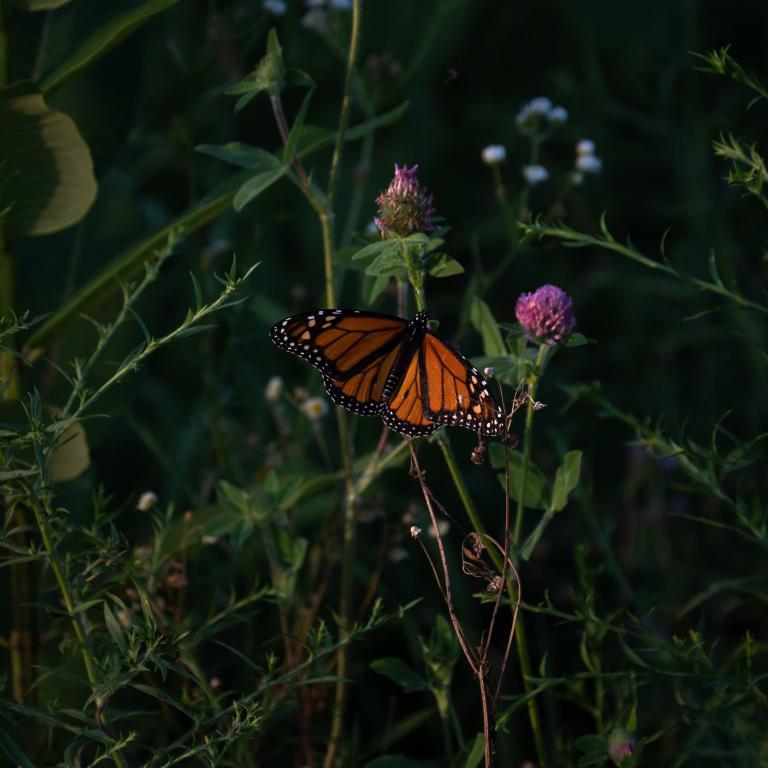
The Rankinens had spent years weeding their pastures of milkweed due to a mild poison within the plant that can be dangerous for horses, but after learning of the plant’s importance, things changed.
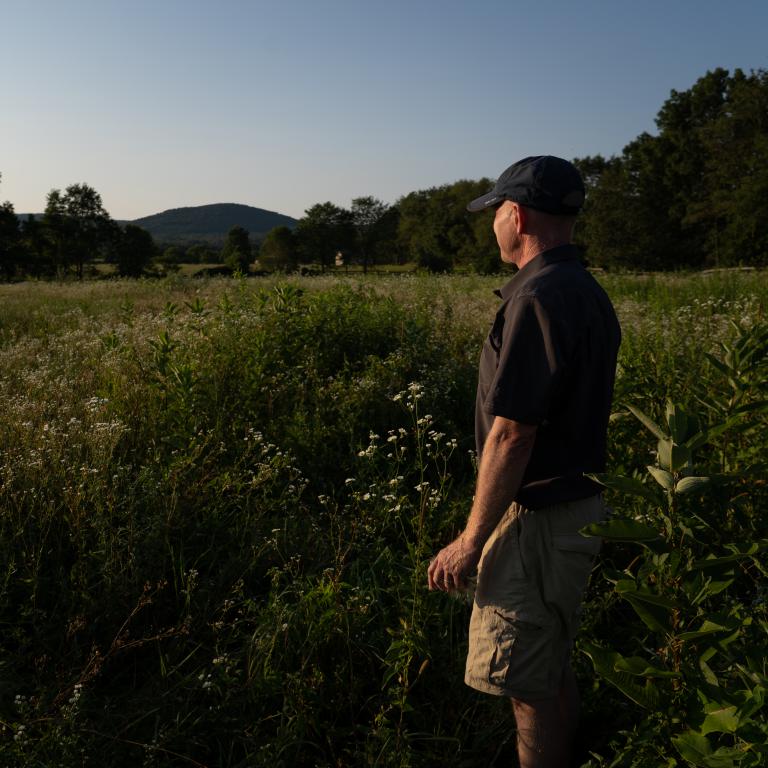
“We decided to get involved – and change our habits of weeding those plants!” Jeff said. “Selective mowing was all that was necessary to establish a 4-acre milkweed plot on our farm.”
It wasn’t long before the Rankinens started Milkweed Monarchy, their business with a deeper mission of educating others about the importance of milkweed to monarchs, as well as pollinators to humans.
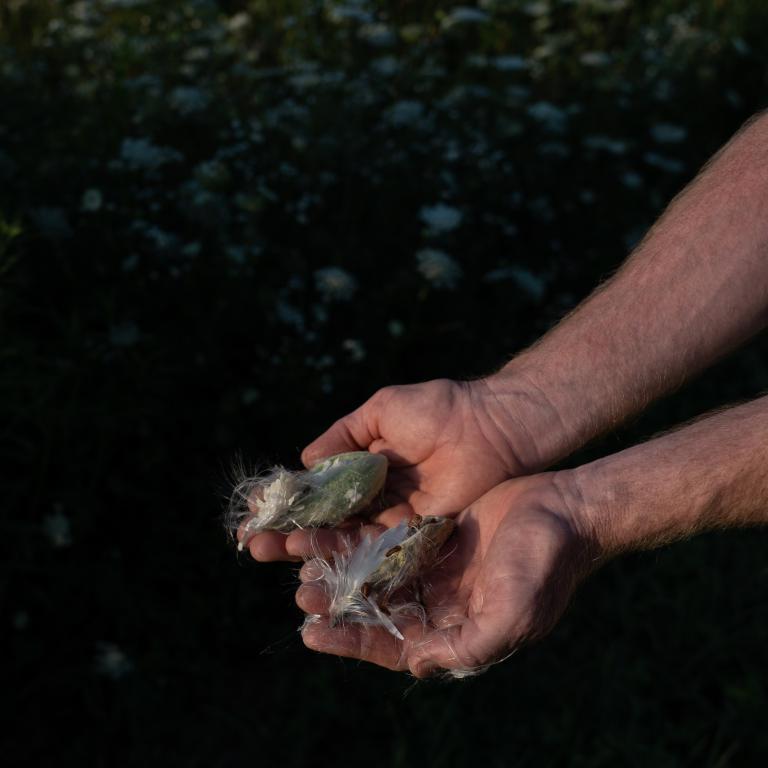
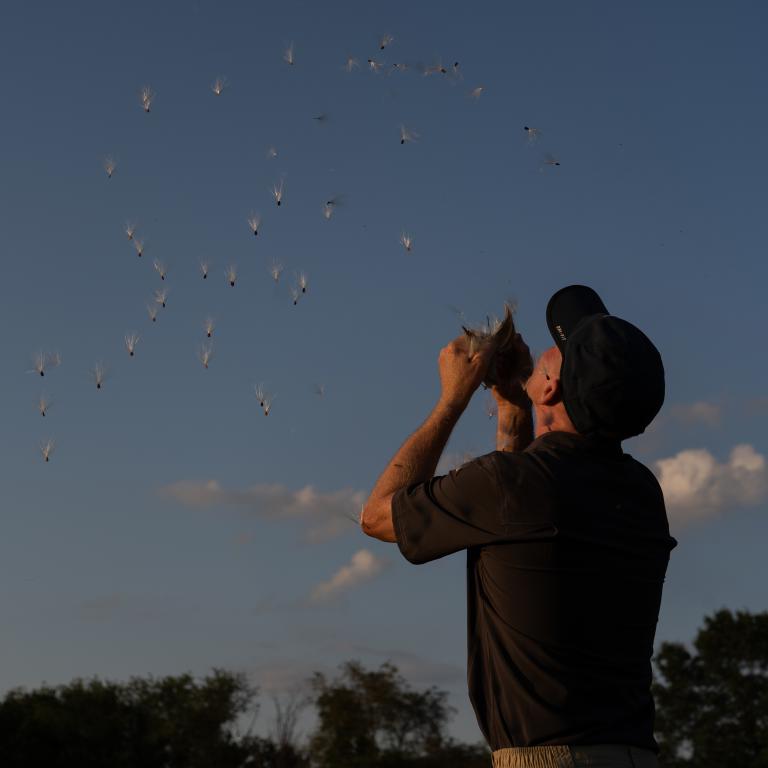
Through Milkweed Monarchy, the couple sells various forms of milkweed seeds, as well as other components of the plant that can be used in a variety of ways, from arts and crafts to hunting.
For more information about Milkweed Monarchy, visit www.milkweedmonarchy.com/.
*Photos used in this article were taken by Doug Bauman as part of the Creative Makers of the Pennsylvania Wilds – A Traveling Public Art Show, which was partly funded by the Pennsylvania Council on the Arts.